Call Us: (928) 782-7863

Debunking Common Myths About Orthodontic Treatments

Debunking Common Myths About Orthodontic Treatments
Orthodontic treatments have evolved significantly over the years, but despite the advancements, several myths still surround the process of getting braces, aligners, and other corrective measures. These misconceptions can lead to hesitation, making patients unsure whether they should seek orthodontic care. In this blog, we’ll set the record straight and debunk the most common myths about orthodontic treatments, so you
Orthodontic treatments have evolved significantly over the years, but despite the advancements, several myths still surround the process of getting braces, aligners, and other corrective measures. These misconceptions can lead to hesitation, making patients unsure whether they should seek orthodontic care. In this blog, we’ll set the record straight and debunk the most common myths about orthodontic treatments, so you can feel confident in your choice for a healthier, straighter smile.
Myth 1: Orthodontic Treatment Is Only for Kids
One of the most pervasive myths is that braces and other orthodontic treatments are exclusively for children or teens. This couldn’t be further from the truth.
The Reality:
Orthodontic treatment is not just for kids—adults make up a growing portion of patients seeking straighter teeth. The American Association of Orthodontists (AAO) reports that 1 in 4 orthodontic patients is an adult. Whether you’re 15 or 50, there’s no age limit for improving your smile. Orthodontists today offer options that fit into adult lifestyles, including clear aligners like Invisalign, which are nearly invisible and can help you achieve the smile you’ve always wanted.
Myth 2: Braces Are Painful and Uncomfortable
Many people assume that orthodontic treatments, especially traditional braces, are painful and difficult to manage. This myth likely stems from outdated memories of older, bulkier braces.
The Reality:
With modern advancements in orthodontics, treatments are far more comfortable than they used to be. Braces have become smaller, more efficient, and less intrusive. Many patients experience mild discomfort when braces are first applied or adjusted, but this is temporary and typically subsides within a few days. Additionally, for those concerned about discomfort, clear aligners like Invisalign are an alternative option that offers a virtually pain-free experience with minimal irritation to the gums and cheeks.
Myth 3: Treatment Takes Too Long
A common concern is that orthodontic treatment takes several years to complete. Many patients worry they’ll be stuck wearing braces or aligners for an extended period.
The Reality:
Treatment time varies based on the complexity of the case, but advancements in technology have significantly shortened the process. On average, patients wear braces for 12 to 24 months—much shorter than the 3 to 5 years often quoted in the past. Clear aligners can sometimes provide even faster results, depending on the patient’s needs. Regular check-ups and following your orthodontist’s recommendations will help ensure your treatment stays on track and is completed efficiently.
Myth 4: Metal Braces Are My Only Option
Many people still believe that traditional metal braces are the only solution for straightening teeth, but this is no longer the case.
The Reality:
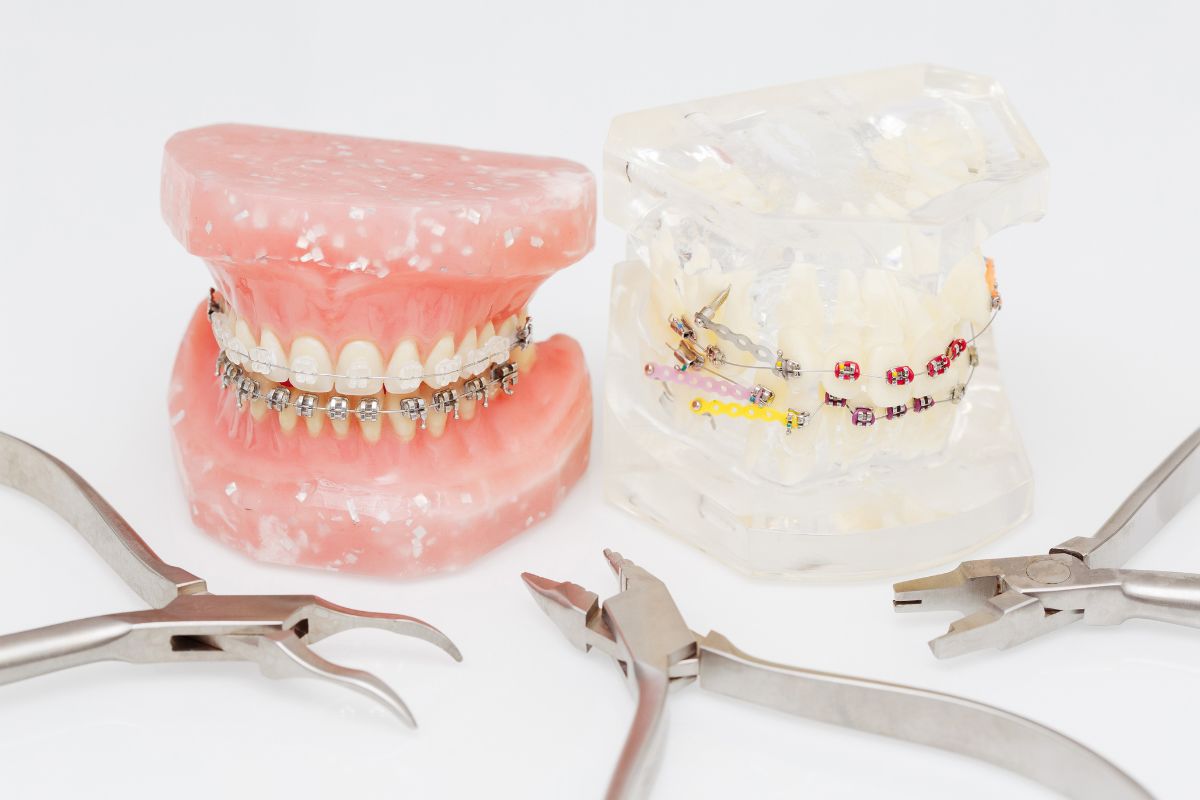
While metal braces remain a reliable and effective option, there are now various other choices available to suit different preferences and lifestyles. These include:
Ceramic Braces: These function like traditional metal braces but are less noticeable, thanks to clear or tooth-colored brackets.
Lingual Braces: These are placed on the back side of the teeth, making them virtually invisible from the front.
Clear Aligners (Invisalign): These removable, nearly invisible aligners allow you to straighten your teeth discreetly without brackets or wires.
With so many options available, you and your orthodontist can choose a treatment that best suits your lifestyle, whether you want something discreet or more traditional.
Myth 5: Orthodontic Treatment Is Only About Aesthetics
Another misconception is that orthodontic treatment is purely cosmetic. While many patients seek treatment to improve the appearance of their smile, there are important health benefits as well.
The Reality:
Orthodontic treatments go beyond creating a beautiful smile. By correcting misalignments and bite issues, you’re also improving your overall oral health. Straight teeth are easier to clean, reducing the risk of cavities and gum disease. Correcting a misaligned bite can help alleviate:
Jaw pain or discomfort
Difficulty chewing or speaking
Excessive wear on certain teeth
A properly aligned bite can also prevent headaches, teeth grinding, and even temporomandibular joint (TMJ) issues.
Myth 6: Once My Braces Are Off, My Teeth Will Stay Perfect Forever
Many believe that once braces or aligners are removed, the treatment is complete and their teeth will stay perfectly straight for life.
The Reality:
Teeth naturally shift over time, and without proper aftercare, your teeth can move back into their original positions. That’s why orthodontists recommend wearing a retainer after treatment. Whether it’s a permanent retainer placed behind your teeth or a removable retainer worn at night, this essential step ensures that your newly straightened smile lasts for years to come. Skipping this step or not wearing your retainer as instructed can cause teeth to shift, potentially requiring further orthodontic treatment.
Myth 7: Orthodontic Treatment Is Too Expensive
One of the biggest misconceptions is that orthodontic treatments, particularly braces or clear aligners, are too costly for the average person.
The Reality:
While orthodontic treatment can be an investment, there are many flexible payment options available to make it more affordable. Many orthodontic offices, including ours in Yuma, offer payment plans and dental insurance often covers a portion of the costs. Additionally, considering the long-term benefits—both in terms of health and appearance—orthodontic treatment is a worthwhile investment in your future.
Conclusion: Take the First Step Toward a Healthier Smile
Don’t let myths and misconceptions stand in the way of getting the smile you deserve. Modern orthodontics offers a wide range of options that are more comfortable, discreet, and efficient than ever before. Whether you’re considering braces, clear aligners, or simply want to know more about orthodontic care, it’s important to make informed decisions based on facts, not myths.
If you’re ready to take the next step, contact your orthodontist in Yuma to discuss your options. Together, you can create a treatment plan that fits your needs and gives you a healthier, more confident smile!