Call Us: (928) 782-7863

Braces for Younger Children: Is Early Orthodontic Treatment Right for Your Child?

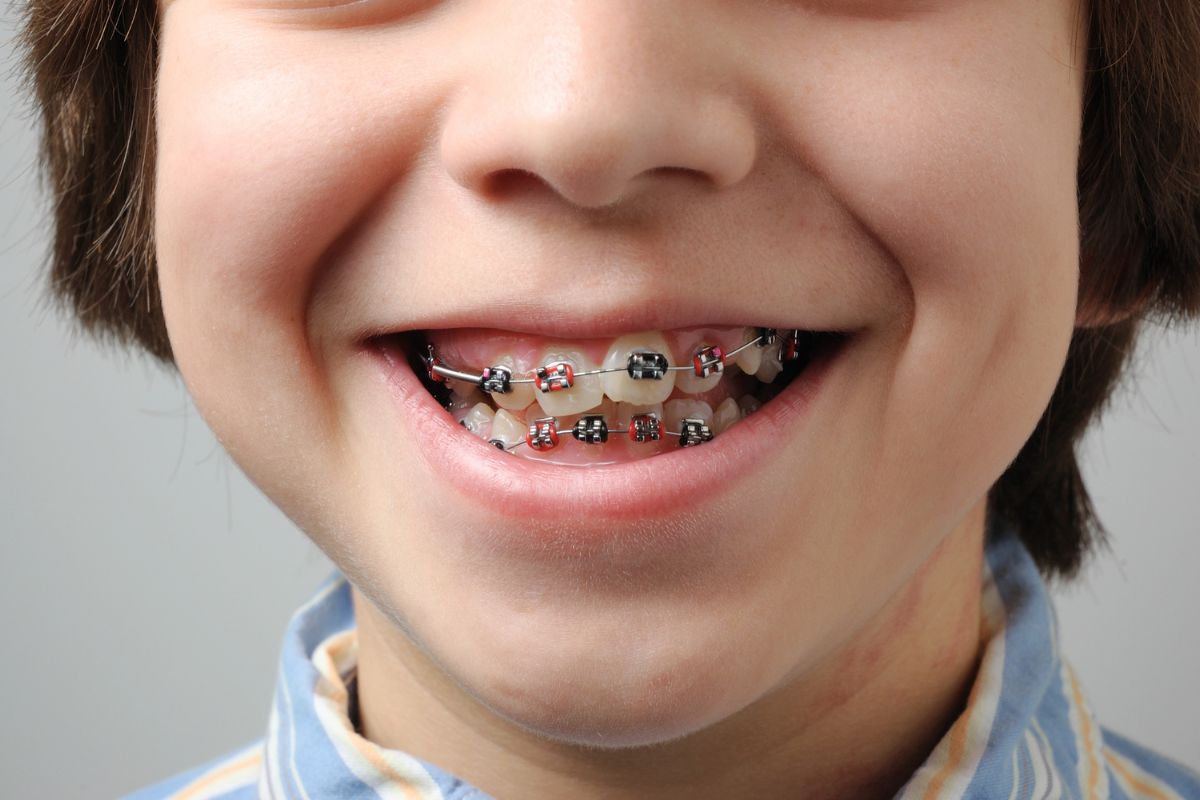
Braces for Younger Children: Is Early Orthodontic Treatment Right for Your Child?
Orthodontic care is often associated with teenagers, but in many cases, younger children can also benefit from early intervention. Known as Phase 1 orthodontics, this early treatment focuses on correcting developmental issues that, if left unaddressed, could lead to more complex problems later in life. If you’re considering braces for younger children in Yuma, consulting with a professional orthodontist in
Orthodontic care is often associated with teenagers, but in many cases, younger children can also benefit from early intervention. Known as Phase 1 orthodontics, this early treatment focuses on correcting developmental issues that, if left unaddressed, could lead to more complex problems later in life. If you’re considering braces for younger children in Yuma, consulting with a professional orthodontist in Yuma can provide valuable insights on whether this is the right option for your child.
In this blog, we’ll explore the reasons behind early orthodontic treatment, the benefits of braces for younger children, and how to know if your child is a good candidate for this type of care.
Why Consider Braces for Younger Children?
Children as young as 6 or 7 years old may benefit from braces. At this age, the jaw is still growing, and addressing issues early can help guide teeth into their proper positions. According to the American Association of Orthodontists (AAO), early orthodontic treatment, or Phase 1 treatment, can help correct bite issues, misaligned jaws, and overcrowded teeth before they become more severe problems.
Common Issues Treated with Early Orthodontics
- Crowded Teeth: Addressing this early can create space for permanent teeth to grow properly.
- Protruding Front Teeth: Early braces can help adjust the position of front teeth, which are often at risk of injury due to their prominence.
- Crossbites: Left untreated, a crossbite can lead to asymmetric growth of the jaw, which can cause speech and chewing issues.
- Underbites and Overbites: Early intervention can help correct severe bite issues, reducing the need for more intensive treatment later on.
The Ideal Age for Evaluation
The AAO recommends that children have their first orthodontic evaluation by the age of 7. By this age, some permanent teeth have already started to come in, and an orthodontist can identify any developing alignment issues. If you live in Yuma, a visit to an orthodontist in Yuma can help determine if your child is ready for early treatment.
Benefits of Early Braces for Younger Children
Opting for braces for younger children has several advantages. While not every child will need early treatment, those who do can benefit from less complicated procedures later in life.
1. Preventing More Complex Issues
By intervening early, orthodontists can guide the growth of the jaw and incoming teeth, reducing or even eliminating the need for more complex treatments like tooth extractions or surgery later on. According to the AAO, early orthodontic treatment can prevent long-term dental issues, making future treatment simpler and less invasive.
2. Improved Confidence
For many children, orthodontic issues such as crooked teeth or bite problems can be a source of embarrassment. Addressing these issues early can help boost your child’s self-esteem by giving them a more confident, healthy smile at a younger age.
3. Better Oral Hygiene
Crowded or misaligned teeth can make it difficult for children to brush and floss properly. This can lead to plaque buildup, cavities, and even gum disease. Braces can help straighten teeth, making it easier for children to maintain good oral hygiene habits.
4. Shorter Treatment Time Later
When orthodontic problems are treated early, the second phase of treatment (usually around age 11 to 13) is often shorter and less intensive. In some cases, early treatment can even eliminate the need for braces later in life.
How Do You Know If Your Child Needs Braces?
Not every child will need braces at a young age, but several signs indicate your child may benefit from early orthodontic treatment.
Key Signs Your Child May Need Braces:
- Crowded or crooked teeth: If your child’s teeth are growing misaligned or crooked, early intervention can help guide them into the correct position.
- Bite problems: If your child has an overbite, underbite, or crossbite, braces can help correct these issues.
- Difficulty chewing or biting: Difficulty eating certain foods can be a sign that your child’s teeth or jaws are misaligned.
- Thumb sucking or mouth breathing: These habits can contribute to orthodontic problems and may need to be corrected with braces.
If you notice any of these signs, it’s a good idea to schedule an evaluation with an orthodontist in Yuma to determine the best course of action.
The Process of Getting Braces for Younger Children
The process for younger children getting braces is similar to that of older patients but may involve different types of braces or appliances depending on the child’s needs.
Step 1: Initial Consultation
During the first visit, the orthodontist in Yuma will conduct a thorough examination of your child’s teeth, jaws, and facial structure. X-rays and photographs are often taken to assess the underlying bone structure.
Step 2: Treatment Planning
After the initial consultation, the orthodontist will develop a treatment plan tailored to your child’s specific needs. This plan may involve traditional metal braces, ceramic braces, or even other appliances like expanders to guide jaw growth.
Step 3: Fitting the Braces
Once a treatment plan is agreed upon, the orthodontist will apply the braces. The process typically takes about an hour, and your child will need to come in for regular checkups to ensure the treatment is progressing as planned.
Step 4: Ongoing Care
Regular adjustments are necessary to ensure that the braces are working effectively. These appointments usually occur every 4-6 weeks. After the braces are removed, a retainer will be necessary to keep the teeth in their new positions.
Statistics: The Growing Popularity of Early Orthodontic Treatment
According to a study by the Journal of the American Dental Association, approximately 4.5 million people in the U.S. wear braces, and about 1 in 4 orthodontic patients is a child under the age of 18. Additionally, early intervention has become more common in recent years, as more parents and orthodontists recognize the benefits of addressing issues before they worsen.
In Yuma, many families are opting for early orthodontic evaluations to ensure their children receive the best care possible. Consulting with a professional orthodontist in Yuma can help you make the right choice for your child’s oral health.
Conclusion: Why Choose Early Orthodontics for Your Child?
Braces for younger children offer several advantages, from preventing complex issues later in life to improving self-confidence and oral hygiene. If you notice any signs of orthodontic issues in your child, don’t wait until they are older to seek treatment.
Early intervention can set your child on the path to a healthy, beautiful smile that will last a lifetime. For families in Yuma, contacting a trusted orthodontist in Yuma can provide expert advice and guidance on the best treatment options for your child.
By choosing early treatment, you’re not only investing in your child’s smile but also their long-term oral health and well-being.