Call Us: (928) 782-7863

What If I Lose Or Damage My Retainer? Steps To Take

What If I Lose Or Damage My Retainer? Steps To Take
Welcome to our blog post on handling lost or damaged retainers! Retainers are vital for maintaining your post-orthodontic smile by securing your teeth in their new positions. Accidents happen. Whether it’s a lost retainer on vacation or a misadventure with a pet, we understand the stress. Here, we’ll guide you on steps to recover and maintain your oral health. Let’s
Welcome to our blog post on handling lost or damaged retainers! Retainers are vital for maintaining your post-orthodontic smile by securing your teeth in their new positions.
Accidents happen. Whether it’s a lost retainer on vacation or a misadventure with a pet, we understand the stress. Here, we’ll guide you on steps to recover and maintain your oral health. Let’s get started!
Why are Retainers Important to you?
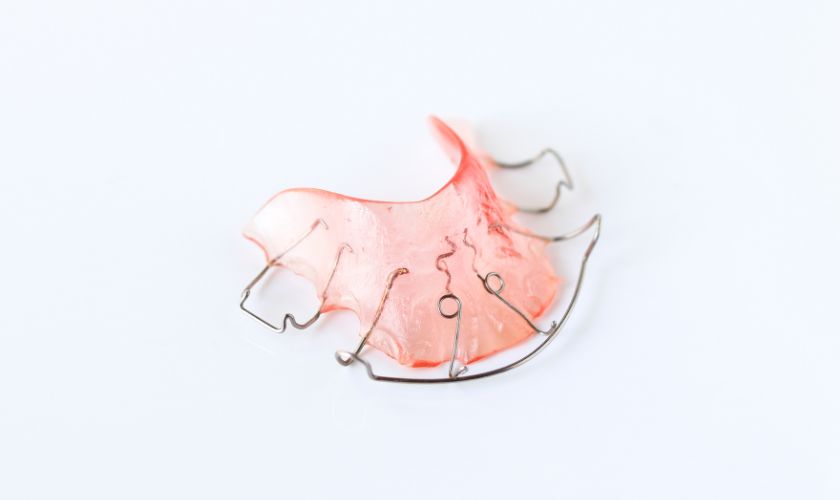
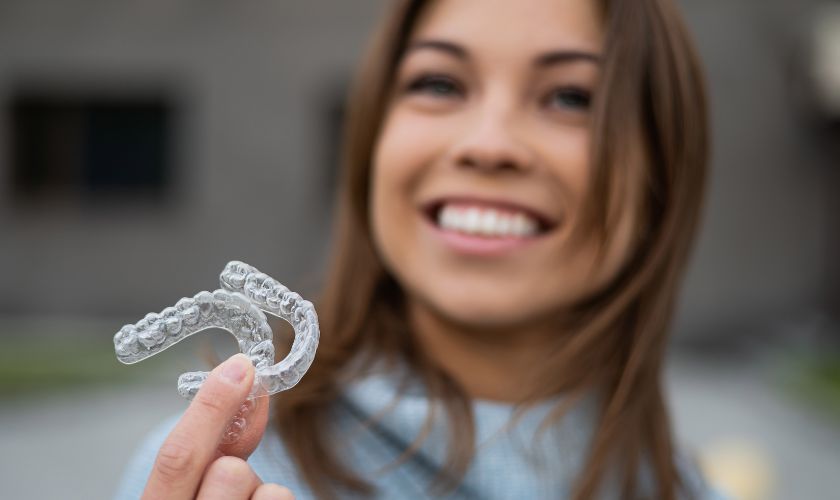
Retainers play a crucial role in maintaining the results of orthodontic treatment. After months or even years of wearing braces, your teeth have finally found their ideal positions. But it’s important to remember that teeth naturally shift back into their original positions over time. It is where retainers come in.
- Retainers serve as safeguards, preventing teeth from shifting back to their previous positions.
- As your orthodontist prescribes, regular wear is crucial to maintaining your hard-earned smile.
- Retainers contribute to jaw stability and can help correct your bite by supporting muscles and ligaments.
- They can also improve speech difficulties resulting from misaligned teeth.
- Retainers are recommended for long-term use, even after the initial retention phase.
- Continuing to use a retainer part-time indefinitely ensures lasting results.
- Recognize that retainers are an investment in preserving the progress achieved during orthodontic treatment.
What to Do After Losing Your Retainer
If you lose your retainer, start by retracing your steps at familiar places like home, school, or work. If it’s not found, immediately contact your orthodontist. They may recommend new molds for a replacement retainer. The action prevents teeth from shifting, preserving your orthodontic progress.
To avoid losing another retainer in the future:
- 1. Create a designated spot for storing your retainer when not used.
- 2. Keep it away from pets or small children who may mistake it for a toy.
- 3. Always carry a case with you when traveling or eating out.
- 4. Never wrap it in napkins or tissues – this increases the chance of accidentally throwing it away.
Options for you to Repair a Damaged Retainer
- Accidents can damage retainers, but solutions exist to address the issue.
- Contact your orthodontist or dentist for an assessment and repair recommendations.
- Dental labs specializing in retainer repairs can offer extensive fixes, albeit with additional costs.
- Consider obtaining a replacement retainer with new impressions in cases of irreparable damage.
- Prompt action is crucial to prevent complications or teeth shifting.
- Keep hope if your retainer is damaged; options are available to protect your orthodontic progress.
The Cost of Replacing a Retainer:
Replacing a damaged or lost retainer is essential for oral health, but costs vary. Factors include the type of retainer, insurance coverage, and potential additional fees for adjustments.
For an accurate estimate, consult your orthodontist. While expenses may be involved, investing in a new retainer helps preserve orthodontic results, preventing future complications and costs. Oral care, including retainer maintenance, remains a top priority.
Tips for Keeping Your Retainer Safe and Secure
- Establish a Routine: Make cleaning and storing your retainer part of your daily routine, especially before bedtime or after meals.
- Store Properly: Invest in a retainer case and avoid leaving it on surfaces or napkins.
- Mind Placement: Put your retainer in its case when not in use to prevent loss or damage.
- Pet Safety: Keep it away from pets to prevent them from chewing on it.
- Clean Regularly: Clean your retainer and teeth with recommended non-abrasive cleaners.
- Handle Gently: Avoid bending or twisting when inserting or removing your retainer.
- No Sharing: Don’t let others use or handle your custom-made retainer.
Final Thoughts
- Stay Calm: Accidents happen, so don’t panic. Focus on finding a solution.
- Contact Your Dentist: Contact your dental professional for guidance on your specific situation.
- Follow Their Advice: Schedule an evaluation to determine the necessary action.
- Consider Repairs: For minor issues, your dentist may be able to fix the retainer during an office visit.
- Prepare for Costs: Be aware of potential expenses if you need a new retainer, which can vary based on factors like type and location.
- Protect Future Retainers: Safeguard your retainer by storing it properly, avoiding heat sources, and keeping it away from pets. Establish good habits like storing it after eating.